
The Ultimate Checklist for Selecting Packaging Goods for Your Store
In the fast-evolving world of eCommerce, the significance of packaging goods cannot be overstated. As online shopping continues to surge, with the global eCommerce market projected to reach $6.54 trillion by 2022, the demand for effective packaging solutions is more critical than ever. Retailers must navigate a myriad of options to ensure their products are not only protected but also presented in a way that enhances the customer experience. This checklist aims to guide store owners through the essential considerations when selecting packaging goods.
Understanding Your Product Needs
The first step in selecting the right packaging goods is to thoroughly understand the specific needs of your products. Different items require different types of packaging to ensure they arrive at their destination safely. For instance, fragile items like glassware may need cushioned packaging, while clothing can often be shipped in simple poly mailers. Key Insight: 70% of consumers believe that packaging reflects the quality of the product inside, making it crucial to align your packaging with your product’s nature.
Additionally, consider the size and weight of your products. Heavier items may require sturdier boxes, while lighter items can be shipped in more cost-effective materials. By assessing your product characteristics, you can narrow down your packaging options and avoid unnecessary costs associated with over-packaging or under-packaging.
Branding and Aesthetic Appeal
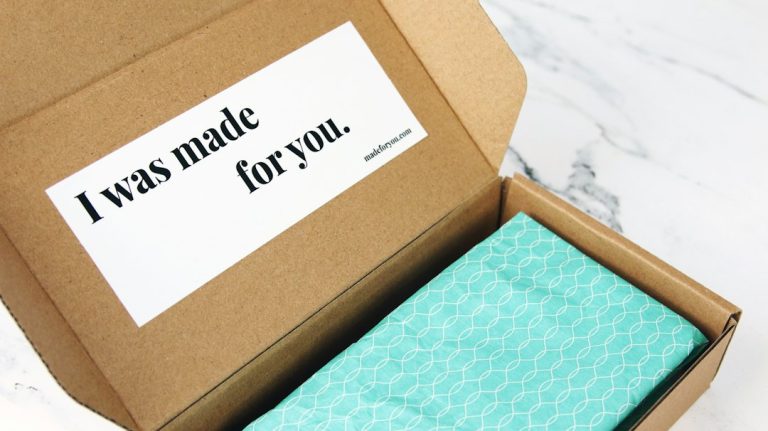
Packaging is not just about protection; it is also a powerful branding tool. The visual appeal of your packaging can significantly influence a customer’s perception of your brand. Custom packaging that reflects your brand’s identity can create a memorable unboxing experience, encouraging repeat purchases and customer loyalty. According to recent studies, 61% of consumers are more likely to make a repeat purchase from a brand that delivers a unique packaging experience.
Consider incorporating your brand colors, logo, and messaging into your packaging design. This not only enhances brand recognition but also communicates your brand values. Sustainable packaging options are increasingly popular, with 73% of consumers willing to pay more for products packaged in eco-friendly materials, showcasing the importance of aligning your packaging choices with consumer preferences.
Cost-Effectiveness and Supply Chain Considerations
While aesthetics and protection are vital, cost-effectiveness is equally important when selecting packaging goods. Analyze your budget and determine how much you can allocate to packaging without compromising quality. Bulk purchasing can often lead to significant savings, so consider working with suppliers who offer competitive pricing for larger orders.
Additionally, evaluate the logistics of your supply chain. The packaging you choose should not only be cost-effective but also efficient in terms of storage and shipping. Lightweight packaging can reduce shipping costs, while compact designs can optimize storage space. By considering these factors, you can streamline your operations and improve your bottom line.
Compliance and Sustainability
In today’s market, compliance with regulations and sustainability practices is more important than ever. Ensure that your packaging materials meet industry standards and regulations, particularly if you are shipping internationally. This includes understanding the requirements for hazardous materials, food safety, and recycling guidelines.
Sustainability is a growing concern among consumers, and businesses that prioritize eco-friendly packaging can gain a competitive edge. Consider using recyclable or biodegradable materials, and clearly communicate your sustainability efforts to your customers. This not only enhances your brand image but also aligns with the values of a significant portion of the consumer base.
Testing and Feedback
Once you have selected your packaging goods, it is essential to test them before full-scale implementation. Conduct trials to assess the durability and effectiveness of your packaging in real-world shipping scenarios. Gather feedback from customers regarding their unboxing experience and make adjustments as necessary. This iterative process can help you refine your packaging strategy and ensure it meets customer expectations.
Moreover, staying informed about industry trends and consumer preferences can provide valuable insights for future packaging decisions. Regularly review your packaging strategy to adapt to changing market conditions and maintain a competitive edge. By following this checklist, you can make informed decisions that enhance your packaging strategy and ultimately contribute to your store’s success.